Clarks Hill Lake Fishing for Beginners: What to Expect on Your First Guided Trip

Published: November 13, 2026
Clarks Hill Lake fishing for beginners can feel intimidating when you are facing a massive 71,100-acre reservoir with roughly 1,200 miles of shoreline. A guided trip removes much of that initial complexity by taking navigation, fish location, and specialized tackle out of the beginner's hands. Instead of learning the lake's channels while trying to fish at the same time, you can focus on proper rod mechanics, bait presentation, and recognizing what sonar is showing beneath the boat. The goal is not a guaranteed limit of fish. It is learning how changing water conditions, forage movement, depth, and structure influence the day's fishing while gaining practical skills that make future trips more productive.
Why Clarks Hill Lake Can Be a Good Place for a First Fishing Trip
Clarks Hill Lake offers several distinct fishing environments, so beginners can learn different techniques while a guide selects areas that match the season, weather, water conditions, and target species.
- Upper river arms: The Savannah and Broad River arms have defined channels and clay banks, creating different fishing conditions from the lower reservoir.
- Lower lake basin: Areas near Lake Thurmond Dam feature clearer, open water and broad flats where deeper-water patterns can develop.
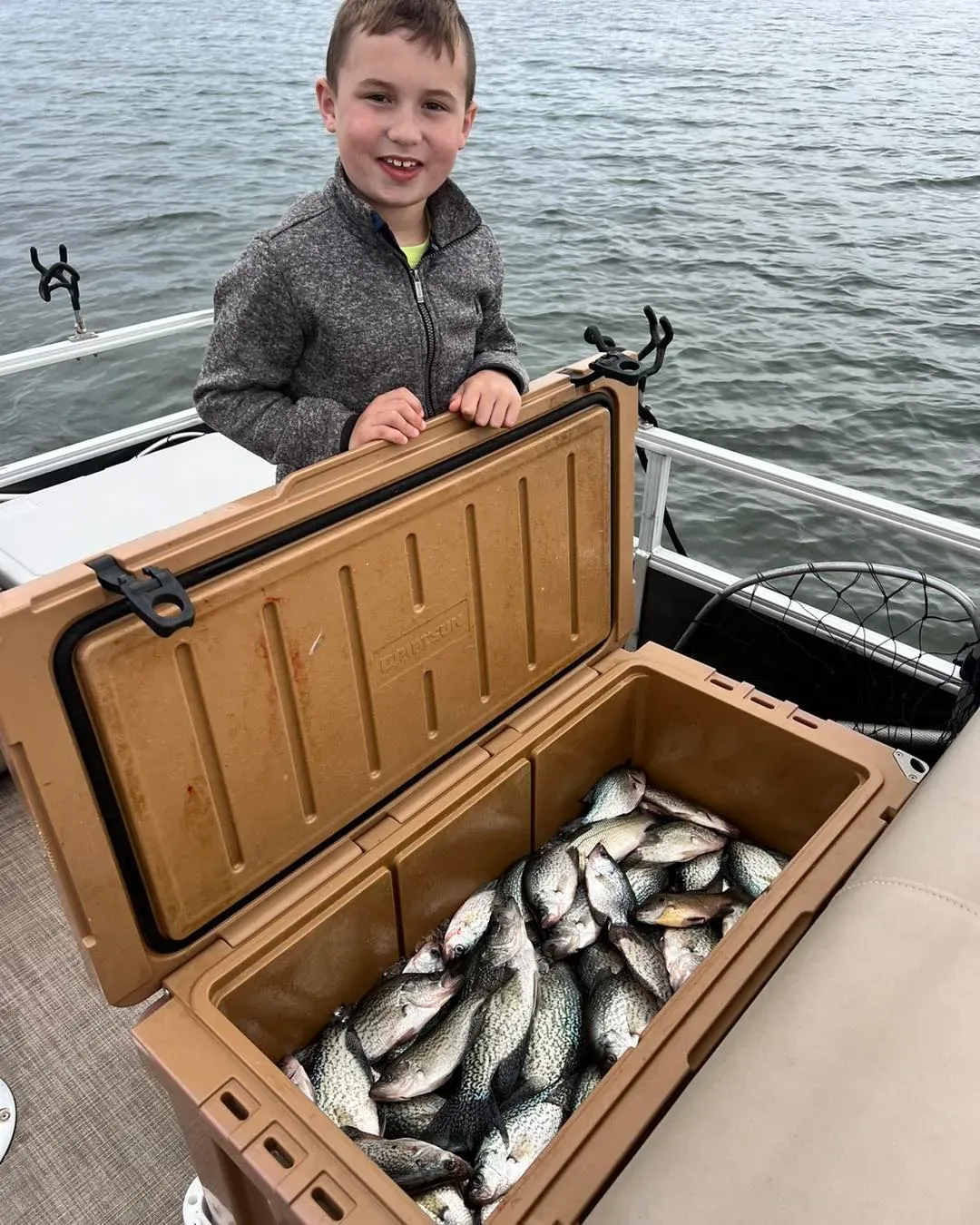
- Crappie habitat: Shallow buttonwood bushes and dock pilings can hold crappie, giving beginners opportunities to work relatively straightforward presentations around visible cover.
- Spotted bass and striped bass structure: Offshore island humps and submerged timber can attract these species, often requiring anglers to understand depth and structure rather than simply casting toward shore.
- Forage-driven locations: Blueback Herring and Threadfin Shad influence where predatory fish position themselves, making forage movement an important part of Beginner Fishing Clarks Hill Lake.
- Seasonal depth changes: Spring fish may move toward shallower water when temperatures reach roughly 60°F–68°F, while summer patterns can push fish deeper as water temperatures rise above 80°F.
What to Expect Before Your Clarks Hill Lake Fishing Trip
A little preparation makes a first guided trip easier. Sharing your experience, target species, group size, and expectations allows the guide to prepare appropriately before leaving the dock.
What to Discuss With Your Guide Before the TripWhat to Discuss With Your Guide Before the Trip
Tell your guide about the people joining the trip and what they hope to learn or catch.
- Fishing experience: Mention if anyone has never used a spinning rod, cast before, or handled fishing tackle.
- Mobility needs: Explain any difficulty with stepping aboard or moving around the boat so the guide can plan accordingly.
- Target species: Decide whether your group prefers crappie, spotted bass, striped bass, or a general fishing experience.
- Children: Provide children's ages so the guide can account for their experience level and equipment needs.
- Trip length: A shorter trip may suit younger anglers, while a longer Clarks Hill Lake Fishing Trip can allow more time for learning advanced techniques.
What Beginners Should Not Feel They Need to Know
You are not expected to arrive already knowing how to fish. The guide can handle the technical setup while explaining the skills you need during the trip.
- Rigging: You do not need to know how to tie fishing knots, select hooks, or build specialized rigs.
- Tackle selection: The guide determines appropriate tackle based on the target species and current conditions.
- Casting: Beginners can learn basic casting mechanics on the water rather than practicing beforehand.
- Bait presentation: The guide can demonstrate how to position and work the bait for the selected technique.
- Sonar reading: Ask questions about fish marks, depth, structure, and why the guide chooses a particular location.
- Hook setting: You will receive practical instruction on recognizing a bite and responding at the right moment.
- Changing techniques: If fish are not responding, the guide can explain why the bait, depth, or presentation needs to change.
What Happens When You Arrive at the Lake
The first part of a guided trip is about getting comfortable with the boat, equipment, and fishing process before you begin working areas where fish are holding.
Getting Familiar With the Boat and EquipmentGetting Familiar With the Boat and Equipment
Before fishing begins, the guide will explain the basic boat setup and help everyone get comfortable with the equipment. Beginners can learn how the rods, reels, bait, tackle, and safety equipment are arranged so they can fish confidently without worrying about unfamiliar gear.
- Safety first: Review basic boat procedures and where anglers should position themselves while fishing.
- Rod and reel setup: Learn how to hold the rod, operate the reel, and manage the line.
- Tackle introduction: Understand the bait, lure, hooks, weights, and other tackle being used.
- Personal flotation devices: Make sure appropriate PFDs are available, including suitable sizes for children.
- Boat organization: Learn where rods, tackle, bait, and other equipment are kept during the trip.
Starting the Fishing Trip
Once everyone is ready, the guide selects an initial fishing area based on the season, water conditions, target species, depth, structure, and current fish activity. The first stop also gives beginners a chance to see how a fishing location is evaluated rather than simply casting at random.
- Initial location: The guide chooses an area that fits the day's conditions and fishing objective.
- Reading the water: Learn to recognize depth changes, structure, current, and baitfish activity.
- Learning the technique: Watch the guide demonstrate the appropriate presentation before fishing independently.
- Adjusting the plan: The guide may change depth, bait, presentation, or location when conditions require it.
- Understanding the move: Moving to another area is a normal part of a guided Clarks Hill Lake Fishing Trip when fish are not responding.
Beginner Fishing Clarks Hill Lake: Skills You Will Learn on the Water
A first guided trip gives beginners an opportunity to learn practical fishing skills while responding to actual Clarks Hill Lake conditions. The focus is on understanding how and why a technique is used, rather than simply following instructions without context.
Casting and Presenting the Bait
Casting involves more than getting the bait into the water. Beginners learn how to control the rod, place a bait near productive cover or structure, manage the line, and maintain an appropriate retrieve. The guide can demonstrate how casting distance, bait depth, and retrieval speed change according to the target species and location. These fundamentals help new anglers develop better control and consistency throughout the trip.
Understanding a Strike
Recognizing a bite takes practice because fish do not always produce an obvious strike. Beginners learn to watch their line and pay attention to changes in rod pressure, vibration, or movement. The correct response also depends on the presentation being used. A guide can explain when to wait, when to set the hook, and how to distinguish a genuine bite from contact with structure or bottom.
Fighting and Landing a Fish
Hooking a fish is only part of the process. Beginners learn to maintain steady pressure, avoid excessive slack, and use the rod to absorb sudden movements while controlling the reel. Following the guide's instructions becomes particularly important when a fish changes direction or moves toward structure. The guide can also assist with the final landing, helping beginners handle the fish safely once it reaches the boat.
What You May Fish for on Clarks Hill Lake
Your target species can shape the entire fishing approach, from the depth being fished to the tackle and presentation used. Beginners can learn how different species respond to structure, forage, and seasonal conditions.
- Spotted Bass: Often associated with points, humps, timber, and other structure, spotted bass can teach beginners how to cast accurately and control a lure around specific cover and depth changes.
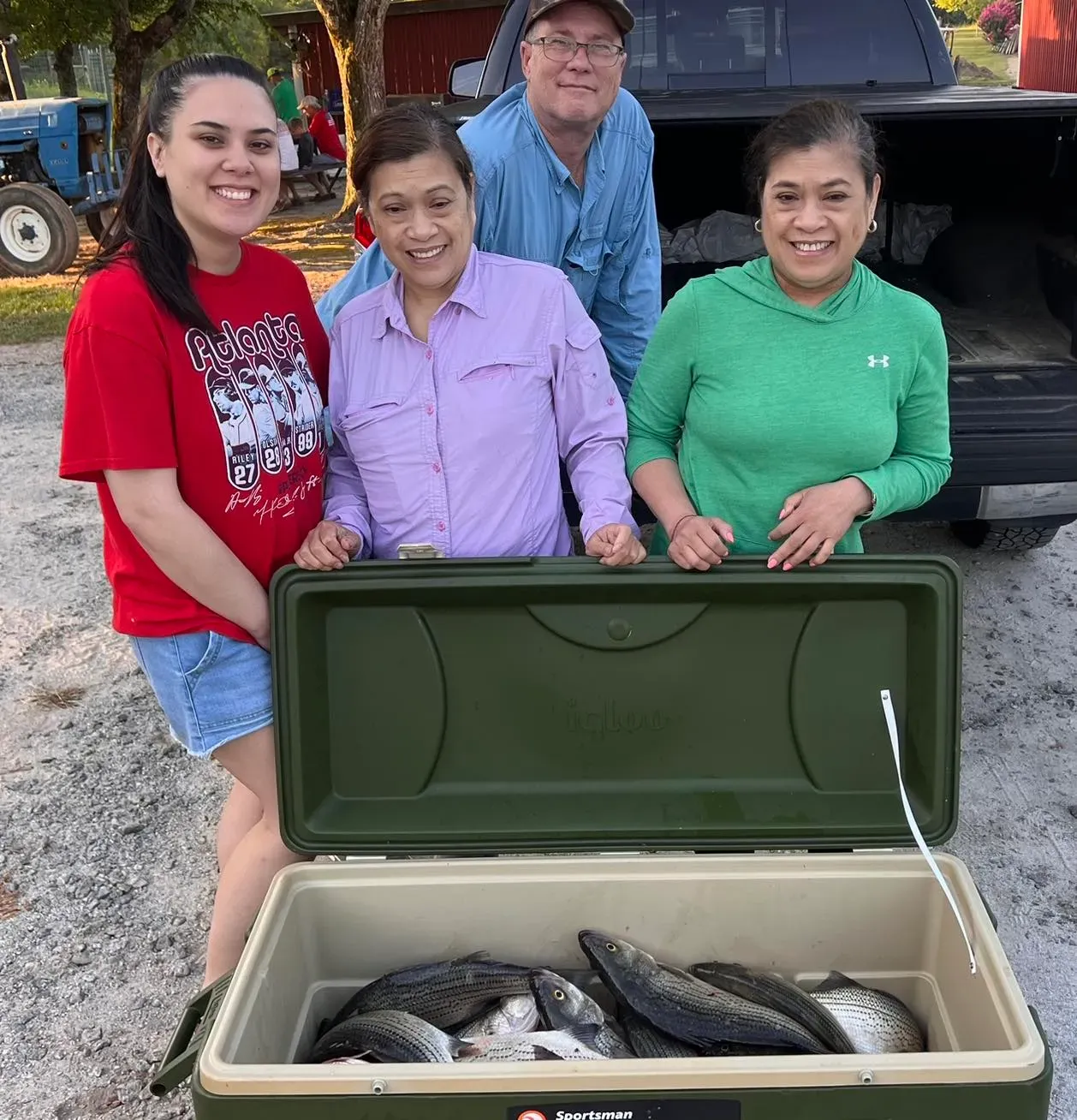
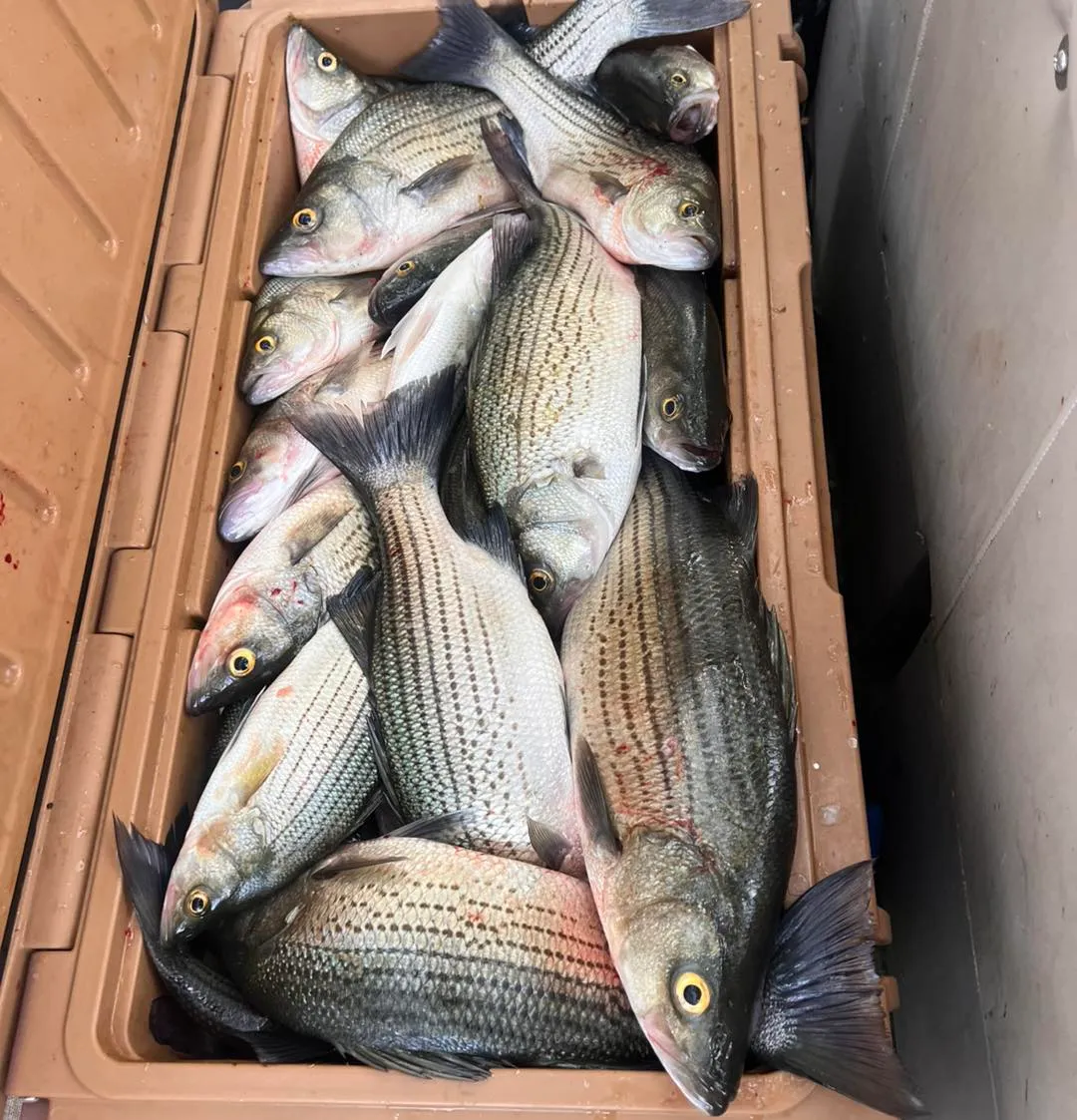
- Striped Bass: Striped bass can move through deeper channels and open-water areas while following Blueback Herring and Threadfin Shad. Fishing for them can introduce beginners to sonar-guided presentations and deeper-water techniques.
- Crappie: Crappie commonly relate to brush, timber, docks, and other cover. Their seasonal movements give beginners an opportunity to learn how depth and structure affect fish location.
- Largemouth Bass: Largemouth bass can use shallow cover, vegetation, docks, and other structure, particularly during periods when water temperatures encourage shallower activity. They provide opportunities to practice basic casting and lure presentation.
- Catfish: Catfish offer a different style of fishing that generally involves bait and bottom-oriented presentations. They can be a practical option for beginners who prefer a straightforward approach while learning how to detect and respond to bites.
How Seasonal Conditions Affect a Beginner's Fishing Trip
Seasonal conditions strongly influence how fish behave at Clarks Hill Lake. In spring, warming water around 60°F–68°F can push bass and other species toward shallow banks, giving beginners opportunities to practice basic casting and lure presentation. Fall brings cooling temperatures and increased baitfish movement, which can reposition feeding fish around points and structure. Summer conditions above 80°F can push fish toward deeper water and the thermocline, often around 15–40 feet, requiring more precise depth control. Winter generally slows fish activity as colder water reduces metabolism, making location and presentation more important for a productive beginner fishing trip.
Family Fishing Clarks Hill Lake: What Beginners Should Know
Family fishing works best when the trip is planned around the ages, experience levels, and comfort of everyone aboard. A few details can make the day easier for both children and adults.
- Share children's ages: Tell the guide the ages of young anglers before the trip so suitable PFDs and manageable equipment can be prepared.
- Match the trip length: Younger children may do better with a shorter trip, while older children and adults may handle longer periods on the water.
- Keep techniques simple: Basic casting, watching the line, working bait, and responding to a bite are useful skills for children learning to fish.
- Use manageable tackle: Lighter rods and simpler presentations can make it easier for young anglers to control their equipment and participate independently.
- Build in instruction: Allow time for the guide to demonstrate casting, bait presentation, hook setting, and fish handling rather than focusing only on catching.
- Set realistic expectations: Weather, water temperature, forage movement, and fish activity can affect the bite, so a successful family trip should also include learning and time on the water.
What to Bring for a Clarks Hill Lake Fishing Trip
A guided trip does not require beginners to arrive with a full collection of fishing equipment. Focus on personal items that keep you comfortable and prepared for changing conditions on the water.
- Weather-appropriate clothing: Dress for the day's forecast and bring an extra layer when temperatures may change.
- Sun protection: Pack sunglasses, sunscreen, and a hat for extended exposure on the reservoir.
- Drinking water: Bring enough water to stay hydrated throughout the trip.
- Food and snacks: Pack convenient snacks or meals if permitted by the guide.
- Personal medications: Bring any medications you may need during the trip.
- Phone or camera: Keep a phone or camera available for photos while protecting it from water.
- Required personal items: Bring anything the guide specifically requests before departure.
- Fishing equipment: Confirm what tackle, rods, reels, bait, and other fishing supplies are provided before bringing your own.
Common Mistakes First-Time Anglers Make on Guided Trips
Beginners can avoid several common problems by understanding that guided fishing is a learning process, not simply a matter of casting repeatedly until a fish bites.
- Casting too aggressively: Focus on controlled, accurate casts rather than trying to reach the greatest possible distance.
- Retrieving too quickly: Match the bait movement to the technique and conditions instead of assuming faster always attracts more fish.
- Setting the hook too early: Give yourself time to recognize whether the movement is a genuine bite before reacting.
- Ignoring instructions: Your guide may ask you to change rod position, retrieve speed, or depth based on what is happening below the boat.
- Expecting one technique to work all day: Fish can move as water temperature, wind, current, and forage conditions change.
- Getting discouraged during a slow period: A slower bite can still provide an opportunity to learn how guides locate fish and adjust their approach.
Start Your Clarks Hill Lake Fishing Trip With William Sasser GuideStart Your Clarks Hill Lake Fishing Trip With William Sasser Guide
A first guided trip is easier when beginners have someone who understands how Clarks Hill Lake changes with season, water conditions, forage movement, and fish location. Local knowledge can reduce the amount of time spent trying to determine where to begin and which technique fits the current conditions.
William Sasser Guide can help beginners approach the lake with practical instruction rather than expecting prior fishing experience. The focus can include learning basic rod handling, understanding bait presentation, recognizing productive structure, and adjusting techniques when fish are holding at different depths. This approach gives new anglers an opportunity to understand the reasoning behind each fishing decision.
For families and first-time anglers, the value of a guided trip also comes from having instruction available throughout the day. Whether the goal is learning the fundamentals, introducing children to freshwater fishing, or becoming more comfortable with techniques used on Clarks Hill Lake, the fishing approach can be adjusted to the group's experience and objectives.
Conclusion
Your first trip does not require advanced fishing skills or detailed knowledge of Clarks Hill Lake. A guided experience can teach you how water temperature, forage, depth, structure, and seasonal patterns influence where fish are found and how they respond. Keep your expectations realistic, follow the guide's instructions, and use the time on the water to build skills you can carry into future trips. Book your Clarks Hill Lake fishing trip with William Sasser Guide to start learning on the water.
FAQs
1. Do I need a fishing license for Clarks Hill Lake?
Yes, anglers generally need the appropriate fishing license for the waters they are fishing. Because Clarks Hill Lake borders Georgia and South Carolina, licensing requirements can depend on where the fishing takes place. Confirm the current requirements before your trip.
2. How long should a beginner's first Clarks Hill Lake fishing trip be?
A shorter trip can work well for young children or anglers completely new to fishing. Adults who want more time to learn techniques and work different areas may prefer a longer guided trip.
3. Can someone with no fishing experience book a guided trip on Clarks Hill Lake?
Yes. Beginners do not need advanced casting, rigging, or fish-finding skills before booking a guided trip. The guide can explain the equipment and techniques used during the fishing experience.
4. Is Clarks Hill Lake suitable for children who have never fished before?
It can be suitable for children when the trip is planned around their age, attention span, experience level, and comfort on the water. Parents should provide children's ages and experience information when arranging the trip.
5. What age is appropriate for a child's first guided fishing trip?
There is no single age that works for every child. Attention span, comfort around water, ability to follow instructions, and willingness to participate are more useful considerations than age alone.
6. Should beginners choose bass fishing or crappie fishing for their first trip?
The better option depends on the season, current fish activity, and what the beginner wants to learn. Bass fishing can involve casting and lure presentation, while crappie fishing often focuses more closely on depth, cover, and controlled presentations.
7. What happens if weather conditions change during a guided fishing trip?
The guide can adjust the fishing location, presentation, depth, or overall approach as conditions change. Wind, rain, temperature, and water conditions can all influence where and how fish are targeted.
8. Can beginners fish Clarks Hill Lake without owning their own fishing equipment?
A beginner should confirm equipment arrangements with the guide before the trip. Many guided experiences are organized so guests can fish without bringing a personal collection of rods, reels, and tackle.
9. What should I tell a fishing guide before my first trip?
Share your fishing experience, target species, group size, children's ages, mobility considerations, preferred trip length, and any specific goals. This information helps the guide prepare for the group.
10. How far in advance should I book a Clarks Hill Lake fishing trip?
Booking ahead is generally sensible when you have a specific date in mind, particularly during popular fishing periods. Contact the guide early to discuss availability, trip length, target species, and current conditions.