%2Ffit-in%2F250x250%2Fguide_websites%2F10943%2Fimages%2Fwilliam_sasser.png&w=1920&q=100)
White Bass Catch on Clarks Hill Lake - Appling GA
White Bass Fishing on Clarks Hill Lake - What to Expect
%2F%2Fusers%2Fb5af5380-8334-4b4d-8dd0-ab42a007531c%2Fimages%2Fwhite-bass-catch-appling-georgia-2736.jpg&w=1920&q=75)
Guided Fishing Trip by Guide Bradd Sasser in July
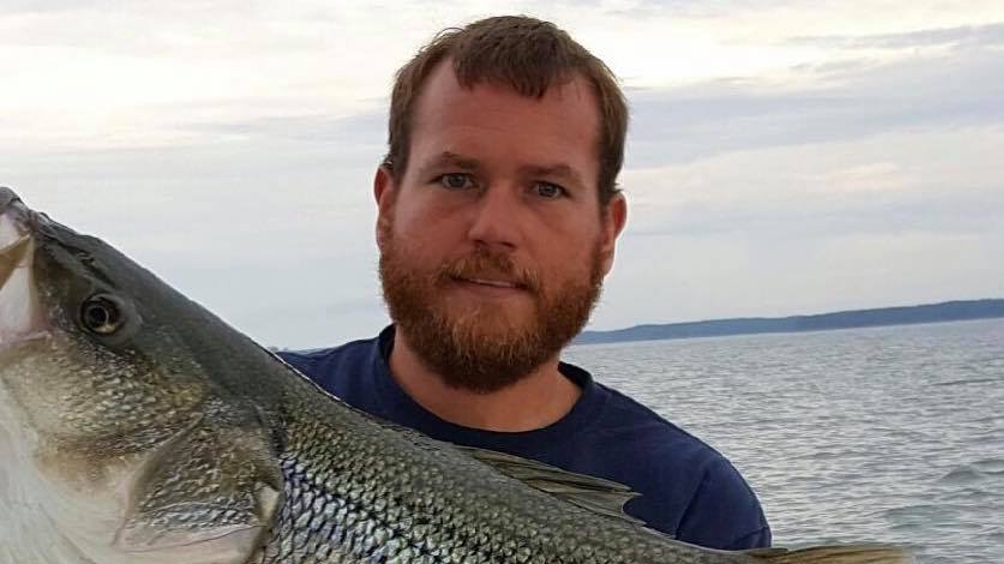
Meet your Guide Bradd Sasser
- Book Your Next Clarks Hill Lake Fishing Charters


Summary
Join Guide Bradd Sasser of William Sasser Guide Service on a guided fishing trip to Clarks Hill Lake near Appling, GA. This Saturday in July offers excellent opportunity to target white bass and other species in one of Georgia's premier freshwater fisheries. Learn proven techniques for success on the water.
Guided Fishing with Bradd Sasser - Rates & Booking
Guide Bradd Sasser of William Sasser Guide Service operates on Clarks Hill Lake near Appling, GA, offering guided fishing trips for anglers targeting white bass and other freshwater species. With local expertise and knowledge of seasonal patterns on this productive lake, Bradd helps anglers connect with quality fishing experiences. Contact William Sasser Guide Service to discuss your trip details and book your guided adventure.
Highlights of White Bass Fishing
Clarks Hill Lake provides excellent conditions for white bass fishing throughout the year. This guided trip showcases the variety and abundance of fish available in this established fishery. The lake's structure and depth create ideal habitat for white bass, making it a reliable destination for consistent action.
White bass respond well to strategic location changes and proper presentation techniques. Your guide will position you where fish are actively feeding and demonstrate effective methods for your skill level. The combination of good fish populations and proven guide techniques makes these trips productive for both experienced and newer anglers.
White Bass Insights and Lake Conditions
White bass, also called stripers in many regions, are aggressive predators that thrive in freshwater reservoirs like Clarks Hill Lake. These fish exhibit strong seasonal migration patterns, moving between deeper winter holding areas and shallower feeding zones during warmer months. Understanding these movements is key to consistent success.
White bass are chase feeders that hunt baitfish in open water and near structure. They often show explosive surface feeding behavior, particularly early morning and late afternoon. The school mentality of white bass means finding one feeding fish often leads to locating the entire school. Water clarity, temperature, and baitfish availability all influence feeding windows throughout the day.
Clarks Hill Lake's size and depth variations provide diverse habitat for white bass. Deeper channels offer cool-water refuge during summer, while shallower flats and points attract feeding fish during lower-light periods. The lake's rocky and submerged structure creates ideal ambush points where white bass position to intercept prey.
Guide knowledge of seasonal patterns proves invaluable on Clarks Hill. Early summer often produces topwater action as white bass chase baitfish toward the surface. Mid-summer fishing shifts deeper as water temperatures climb. Fall typically offers strong activity as schools of white bass feed heavily before winter. Knowing these cycles and adjusting techniques accordingly separates consistent catches from random luck.
The experience of fishing for white bass involves active technique and constant positioning. Rather than stationary casting, white bass fishing typically involves moving the boat to locate feeding fish, then positioning to present lures effectively. This dynamic approach keeps anglers engaged and responsive to changing conditions throughout the trip.
Fishing in Clarks Hill Lake: White Bass
White Bass Overview
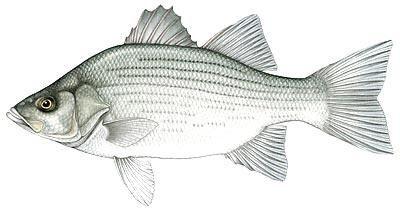
The White Bass (Morone chrysops) is a member of the Moronidae family within the order Perciformes, and it's one of North America's most beloved freshwater game fish. Also known as Sand Bass or Silver Bass, this spirited fighter is instantly recognizable by its silvery-white to pale green coloring, darker back, and distinctive narrow dark stripes running along its white belly and sides. What makes the White Bass truly special is its reputation as an aggressive and hard-fighting catch that delivers both excitement and exceptional table fare. In fact, it's the state fish of Oklahoma and has become a significant sport fish in Manitoba since its introduction there in the 1960s. Whether you're a seasoned angler or a curious outdoor enthusiast, the White Bass represents an authentic fishing experience that combines natural beauty, thrilling action, and genuine culinary reward.
White Bass Habitat and Distribution
White Bass thrive in a wide range of freshwater environments across North America, with the largest populations found in the Midwest and Great Lakes region. These fish are fairly distributed throughout the United States, with particularly strong populations around Lake Erie and Pennsylvania. Native populations inhabit Lake Poinsett, the Detroit River, Arkansas River, the Great Lakes system, and the Red River drainage, with additional populations in Wisconsin's Winnebago lakes and throughout Mississippi River systems. They prefer large rivers, shallow reservoirs, streams, and creeks—environments where they can find adequate prey and spawning grounds. White Bass typically congregate in schools upstream where prey density runs high, making them predictable targets for anglers who understand their movement patterns. Their adaptability has allowed them to establish strong populations in many reservoirs and impoundments across the country, making them accessible to recreational fishers in diverse geographic regions.
White Bass Size and Weight
White Bass typically measure between 10 to 12 inches in length, though exceptional specimens have been recorded at 18 inches or longer. Most fish caught by recreational anglers range from 1 to 5 pounds, with average catches in the 2 to 3-pound range. Some larger individuals, particularly in well-managed reservoirs and river systems, can reach weights up to 7 pounds. Size can vary considerably depending on water body health, prey availability, and population density. In areas with abundant forage fish and lower competition for food, White Bass tend to achieve larger sizes more quickly. Understanding these typical size ranges helps anglers set realistic expectations and choose appropriate tackle for their fishing adventure.
White Bass Diet and Behavior
As a carnivorous visual feeder, the White Bass actively pursues a varied diet that includes leptodora, daphnia, cyclopoid copepods, and calanoid copepods, depending on life stage and water conditions. Adult White Bass eagerly consume small minnows, shiners, and other forage fish, making them responsive to live bait presentations. They're known for their aggressive feeding behavior and will readily strike artificial lures, particularly during active feeding periods. White Bass exhibit schooling behavior, often forming tight pods that move together through preferred habitat. They're particularly active during low-light conditions—early morning, evening, and overcast days—when they venture into shallower waters to feed. At midday, they typically retreat to deeper, cooler zones. These fish are visual hunters, so they respond well to lures that create vibration and flash. Their aggressive nature is one reason they're so popular with anglers; they rarely hesitate to strike when properly presented with the right offering.
White Bass Spawning and Seasonal Activity
Female White Bass spawn between mid-March and late May, depending on water temperature and geographic location. During this spawning period, females produce an impressive 240,000 to 930,000 eggs—a reproductive capacity that supports healthy populations in managed fisheries. The White Bass has developed an unusual mating ritual where males bump against the female's abdomen to stimulate egg release. Once stimulated, the female rises near the surface, begins a distinctive spinning motion, and releases her eggs while males simultaneously fertilize them. This behavior often creates visible surface disturbances that alert observant anglers to spawning activity. Spring fishing can be exceptional during the pre-spawn and early-spawn phases when White Bass move into shallow areas and feed aggressively to prepare for reproduction. Understanding this seasonal pattern helps anglers time their trips for maximum success and allows them to witness one of nature's most dramatic natural spectacles.
White Bass Techniques for Observation and Capture
Surface Spinner and Spoon Method: Once you locate a school of White Bass, use spinners or spoons worked along the water surface to entice aggressive strikes. Cast parallel to structure and retrieve steadily with occasional pauses. This method works exceptionally well during early morning and late evening hours when White Bass feed in shallow water. The flash and vibration of spinners and spoons trigger predatory responses, making this technique highly effective for active fish.
Artificial Jig Presentation: Small jigs (1/8 ounce) tipped with black or white marabou are excellent artificial lure choices. You can also use soft plastic lures such as tube baits, small jig heads with curly tail grubs, or 1/8 to 1/4 ounce jigs rigged with soft plastic swimbaits. Cast near structure, ledges, and drop-offs, allowing the jig to flutter and bounce along the bottom. This technique works well both day and night and gives you excellent bottom-contact opportunities. Around areas like Lake Erie and Pennsylvania, jig fishing near rocky structure and underwater humps produces consistent results throughout the season.
Night Bottom Fishing with Live Bait: White Bass often feed actively at night, making bottom fishing with live minnows or shiners highly productive after dark. Use a simple slip sinker rig with a small hook and live bait, positioning yourself near current breaks, channel ledges, or structural features. Cast and hold position, allowing your bait to work naturally. This method requires patience but often produces larger specimens and fewer competitive fish. Be prepared for aggressive strikes and keep your rod tip sensitive to detect bites in low-visibility conditions.
White Bass Culinary and Utilization Notes
The White Bass has earned an excellent reputation for its exceptional taste, making it one of the most prized eating fish in North America. The flesh is firm, white, and delicate with a mild flavor that's neither too gamey nor bland. It's versatile in the kitchen—excellent baked, pan-fried, grilled, or incorporated into fish tacos and chowders. White Bass contain healthy omega-3 fatty acids and provide solid protein nutrition. The fillets are relatively easy to prepare, and the absence of strong fishy flavors makes them appealing even to those less accustomed to eating fish. Many regions have liberal catch limits specifically because White Bass populations are healthy and abundant, making them an excellent choice for anglers seeking a rewarding culinary experience without concerns about sustainability. Whether you're a home cook or restaurant enthusiast, White Bass delivers consistent quality that justifies the effort of catching them.
White Bass Frequently Asked Questions
Q: What is the best bait for catching White Bass?
A: Live minnows and shiners are excellent choices, as White Bass are visual feeders that readily strike moving prey. Artificial lures like spinners, spoons, and small jigs also produce excellent results. The choice depends on whether you prefer live or artificial presentations and your target depth.
Q: Where can I find White Bass near Lake Erie or Pennsylvania?
A: White Bass are fairly abundant throughout Lake Erie and Pennsylvania waterways. Focus on rocky structure, drop-offs, and areas with current breaks. In reservoirs and rivers, look for schools along underwater humps and channel ledges. Early morning and evening hours near shallow feeding zones often produce the best action.
Q: Is White Bass good to eat?
A: Absolutely! White Bass has exceptional taste and firm, white, delicate flesh. It's versatile in the kitchen and works well baked, pan-fried, grilled, or in various fish recipes. The mild flavor appeals to broad palates, making it an excellent choice for family dining.
Q: When is the best time to catch White Bass?
A: Spring (mid-March to May) is peak season during spawning, when fish are actively feeding. Early morning, late evening, and overcast days are productive year-round. Night fishing can produce excellent results, particularly larger specimens.
Q: Why are White Bass considered aggressive fighters?
A: White Bass live up to their reputation with explosive strikes and determined runs once hooked. They rarely hesitate to attack well-presented lures and often jump during the fight, making them thrilling opponents for anglers of all skill levels.
Q: What regulations should I know before fishing for White Bass?
A: Each state maintains specific regulations regarding minimum size, daily catch limits, and seasonal restrictions. Always consult your local fishing regulations before pursuing White Bass to ensure compliance with current rules in your target area.