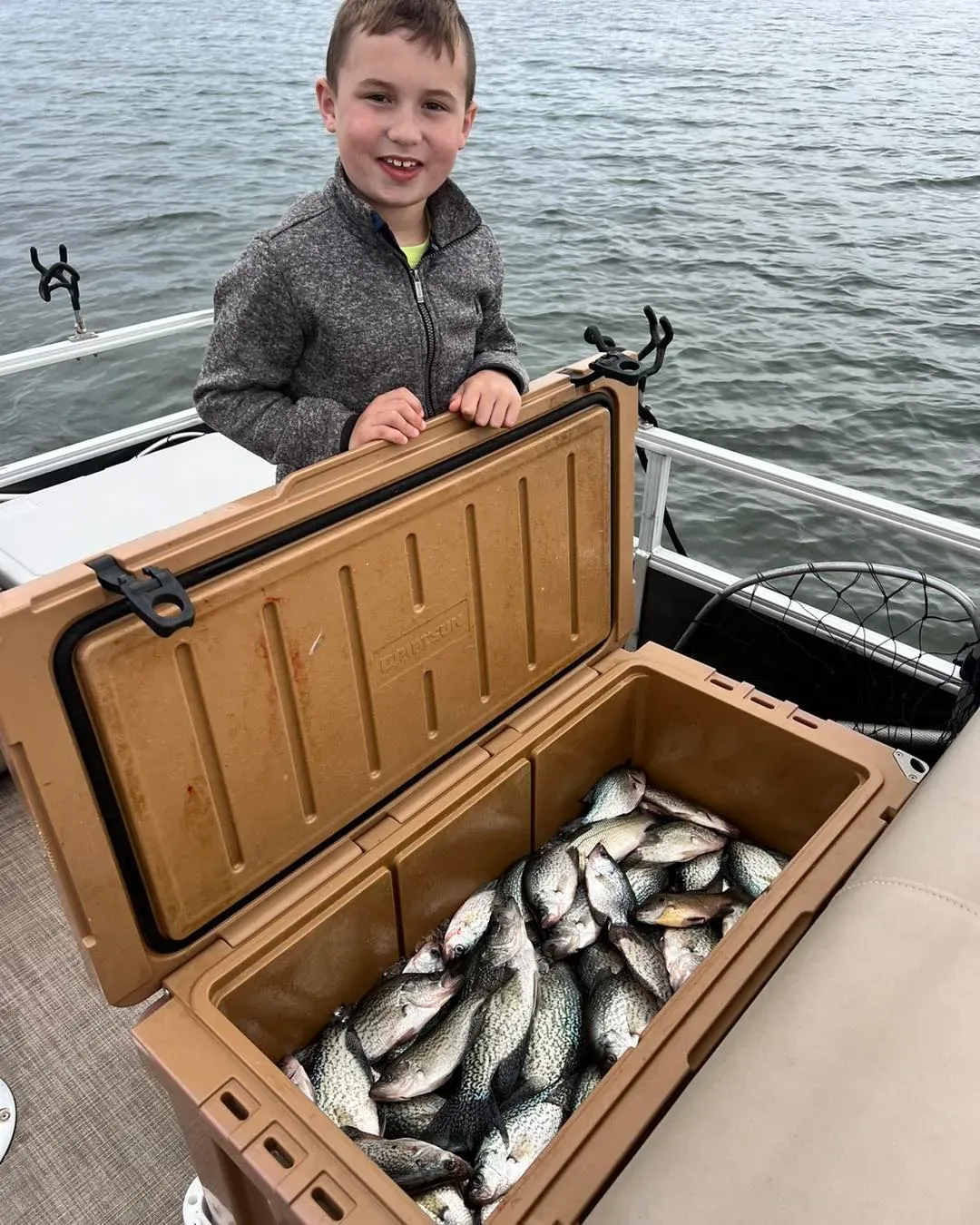
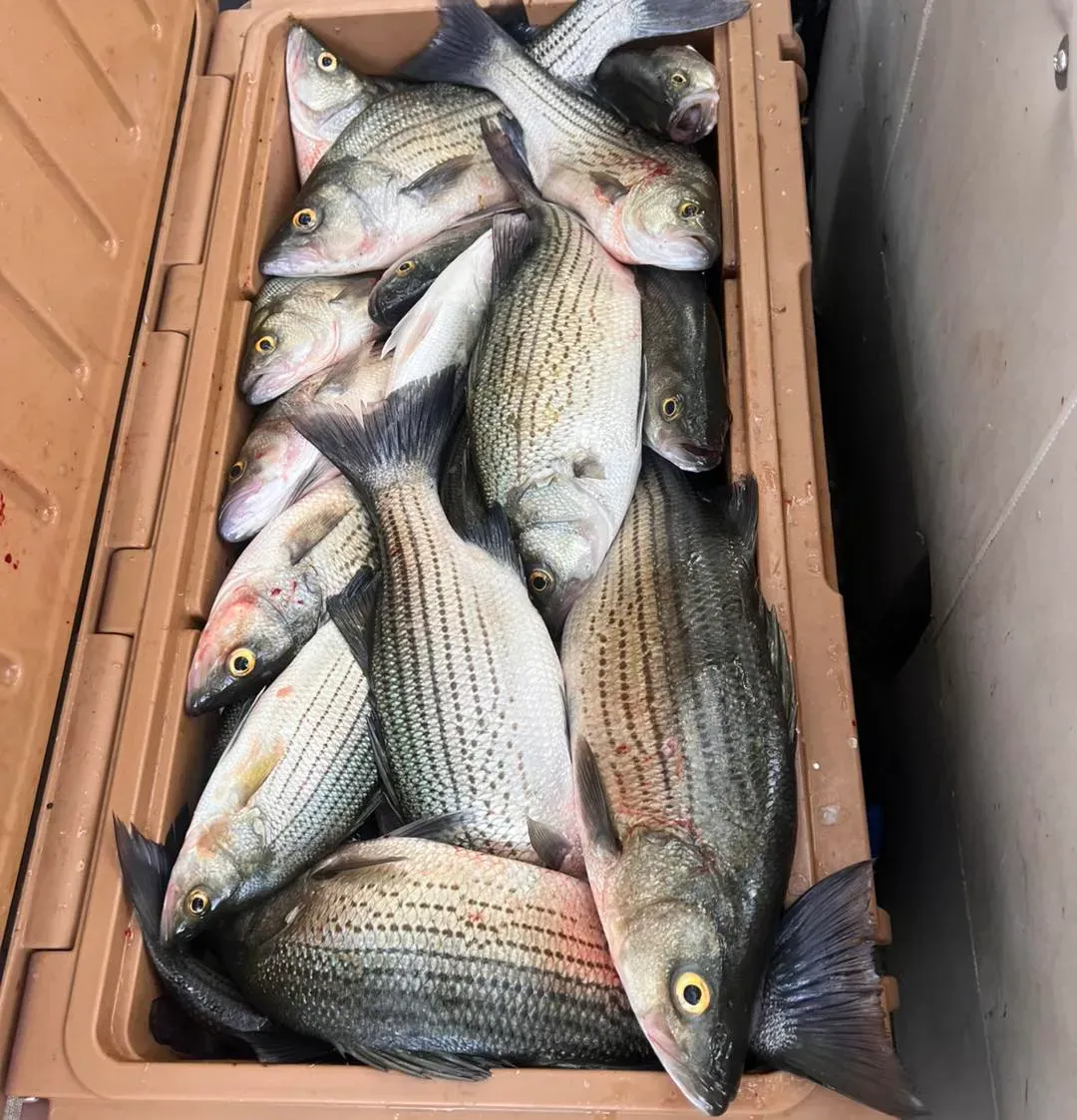
How to Catch Crappie at Clarks Hill Lake: Best Baits, Techniques & Seasonal Tips

Published: November 13, 2026
Clarks Hill Lake crappie fishing can be highly productive when anglers match their presentation to the way fish move through the reservoir. Black and white crappie shift between creek arms, shallow cover, brush, channels, and deeper structure as water temperatures and forage conditions change. Finding them consistently requires more than fishing a familiar spot or carrying one dependable bait. The lake's large size and variety of habitat mean the most productive pattern can change quickly from one part of the season to another. Knowing when crappie leave deeper staging areas, where they move during the spawn, and how they position around submerged structure gives anglers a much better starting point for choosing bait, depth, and presentation.
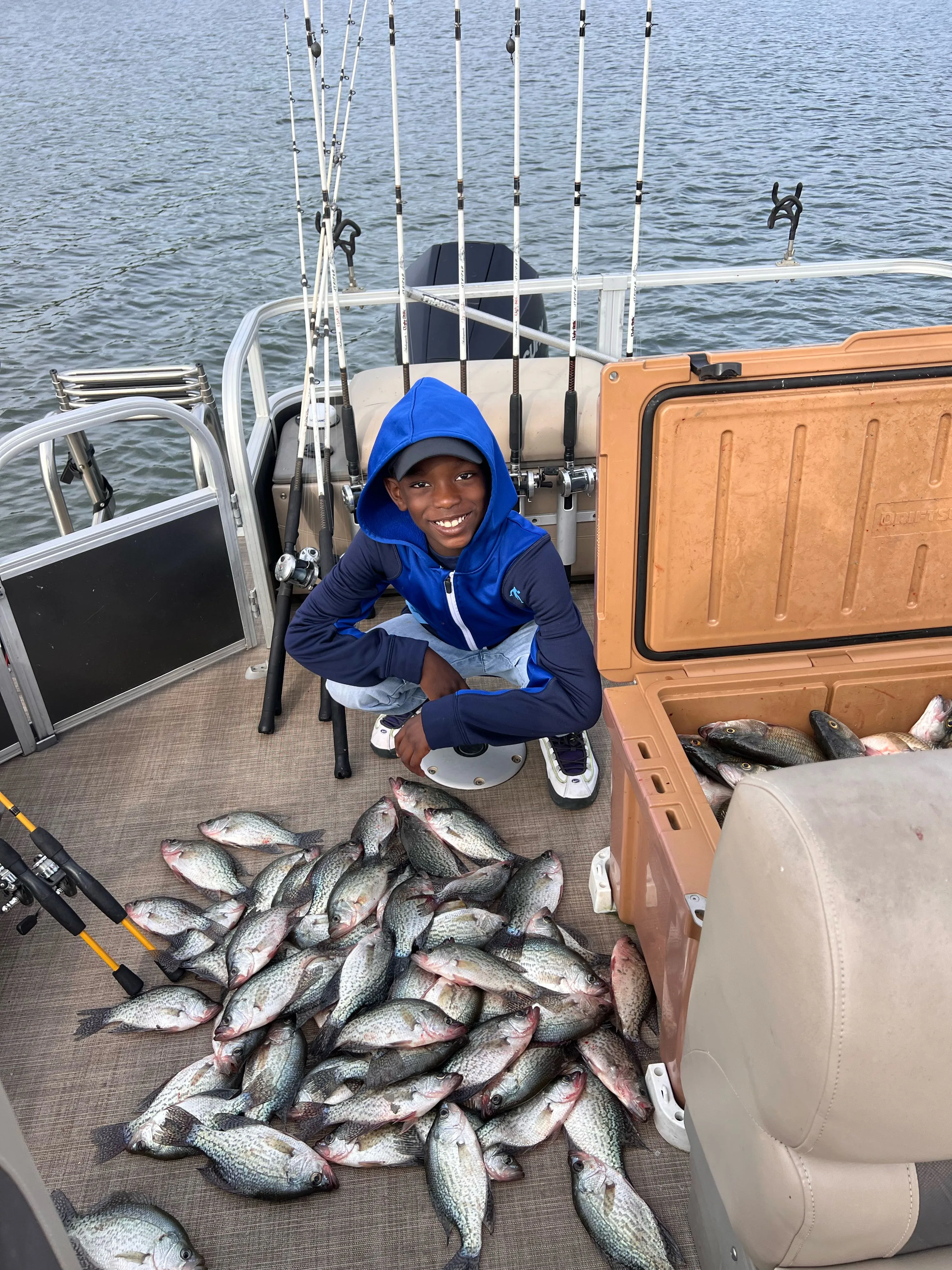
Understanding the Lake Thurmond Crappie Environment
Lake Thurmond's size is one reason crappie fishing here can require a more deliberate approach. With roughly 71,100 acres of water spread across Georgia and South Carolina, the reservoir offers extensive creek arms, timber, channels, flats, and man-made structure.
The upper sections and major creek arms can carry more stained water, while the lower main-lake areas can offer clearer conditions. That difference matters when selecting a jig profile or color. In stained water, a crappie may need to see a more visible bait, while clearer water often allows a smaller, more natural-looking presentation.
Structure is equally important. Crappie commonly use submerged trees, brush piles, dock pilings, and other vertical or irregular cover as places to feed and suspend. Artificial attractors can be particularly useful because they concentrate fish in otherwise expansive water. The key is not simply finding a brush pile, but determining whether it sits along a seasonal travel route or within the depth crappie are currently using.
Shifting With the Seasons: Where to Find Clarks Hill Crappie
Crappie do not occupy the same depth or type of cover throughout the year at Clarks Hill. Water temperature changes their position gradually, moving fish between deep staging areas, shallow spawning habitat, creek channels, and deeper structure as conditions develop.
The Spring Spawn: Shallows, Creeks, and Shorelines
As water temperatures climb through the mid-50s and into the low 60s, crappie begin moving toward shallower habitat. On Clarks Hill, this transition can bring fish into creek arms, protected pockets, flats, and shoreline cover where warming water creates suitable spawning conditions.
Where to look:
- Check the backs of major creeks and protected coves where shallow water can warm quickly.
- Pay attention to buttonwood bushes, visible shoreline brush, submerged timber, and other shallow cover.
- Look for shallow areas that remain connected to a deeper creek channel, giving staging fish an easy route toward the bank.
How to fish it:
- Dip a small jig around visible timber instead of working the entire shoreline indiscriminately.
- Try live minnows beneath a float when fish are spread across shallow cover.
- Start around 2–6 feet where conditions indicate that crappie have moved onto the flats or into shoreline cover, then adjust according to water clarity and fish activity.
The Summer Stretch: Submerged Brush and River Channels
After spawning, crappie generally move away from the shallowest areas as water temperatures rise. On Clarks Hill, deeper brush, creek-channel edges, and submerged flats can become important, particularly when fish suspend above structure rather than sitting directly inside it.
Where to look:
- Check submerged brush piles positioned along creek channels and adjacent flats.
- Start investigating the 15–25-foot range when summer conditions push fish deeper, but let sonar determine the actual productive depth.
- Look above brush as well as inside it. A school may suspend several feet over the branches rather than holding on the bottom.
How to fish it:
- Position the boat directly over marked structure and vertical jig through the depth where fish are holding.
- Tight-line a live minnow so it remains suspended above the school.
- Once several fish come from the same depth, repeat that depth before changing bait or abandoning the area.
The Fall Transition: Tracking the Baitfish Migration
Cooling water changes the equation again. As threadfin shad move toward creek arms and transitional areas, crappie can follow the forage rather than remaining on the deeper structure that produced during summer.
Where to look:
- Check secondary points leading into creek arms.
- Search mid-depth flats where baitfish are concentrated.
- Watch for areas where creek channels transition toward shallower feeding water.
How to fish it:
- Long-line trolling with small curly-tail grubs can cover more water when crappie are scattered.
- Use the first bites to identify both depth and direction of movement.
- Once fish are located, tighten the trolling spread around the productive area rather than continuing to cover unproductive water.
Winter Staging: Deep Timber and Main-Lake Ledges
Cold water generally reduces crappie's activity and can concentrate schools around deeper, more stable habitat. During winter, deep standing timber and submerged channel edges can become more important than shallow shoreline cover.
Where to look:
- Check deep timber and river-channel ledges.
- Investigate the 25–40-foot range when winter conditions push fish deep, while using electronics to identify the actual school.
- Prioritize structure that provides a nearby depth transition instead of isolated deep water with no obvious reason for fish to hold there.
How to fish it:
- Slow-troll or work a vertical presentation through the marked depth.
- Keep movements controlled because cold-water crappie may respond better to a bait that remains in their immediate feeding zone.
- Watch closely for light pressure on the line rather than waiting for an aggressive strike.
Best Bait for Crappie at Clarks Hill Lake: Live vs. Artificial
There is no single bait that remains best through every Clarks Hill pattern. Live minnows can excel when fish are holding tightly to a particular depth, while small jigs make it easier to cover water, work structure, and adjust color and profile as conditions change.
Live Bait Tactics
Live minnows are especially useful when crappie are holding around brush or suspending at a defined depth but are not aggressively chasing an artificial lure. The presentation should keep the bait lively and directly in the fish's feeding zone.
Two useful rigging approaches:
- Slip-cork rig: A strong choice for spring fishing when crappie move into shallow creek flats and shoreline cover. The slip float makes it possible to set the bait at a controlled depth while keeping it above brush or timber.
- Double-minnow or Kentucky-style rig: More useful when working deeper structure vertically. Two minnows can cover slightly different depths and help determine where the school is positioned.
- Bait condition: Keep minnows lively and properly presented. When crappie are pressured or holding tightly to structure, a weak or poorly positioned minnow can be less effective than a fresh bait presented at the correct depth.
High-Performing Artificial Lures
Small jigs give anglers more control over depth, color, and presentation. For Clarks Hill, 1/16-ounce and 1/32-ounce jig heads paired with compact soft plastics provide useful starting points for both shallow and deeper presentations.
Useful profiles include:
- Curly-tail grubs: Good for covering water and creating movement while trolling.
- Tube baits: Compact profile for working around brush and other structure.
- Straight-tail minnow profiles: Useful when a subtler action is needed around suspended or pressured fish.
Water clarity should influence color selection. In stained upper-river sections, brighter combinations such as chartreuse, pink, or orange can provide more visibility. In clearer lower-lake water, natural shades such as monkey milk, blue/silver, or clear-sparkle can create a less aggressive profile.
The Best Bait for Crappie at Clarks Hill Lake ultimately depends on where the fish are holding. Establishing their depth and activity level should come before making a bait change simply because the first color or lure did not produce.
Proven Techniques for Aggressive and Finesse Bites
Once crappie are located, presentation becomes the next decision. At Clarks Hill, the best method depends on whether fish are holding tightly to brush, suspended over deeper structure, or moving across flats with baitfish.
Vertical Jigging Over Deep Brush
When sonar shows crappie concentrated around a specific brush pile, vertical jigging keeps the bait directly in the productive zone. It also gives anglers control over depth and reduces unnecessary movement through the structure.
- Position the boat directly over the brush pile and keep the line as vertical as possible.
- Drop the jig to the structure, then raise it above the branches where the fish are holding.
- Start with subtle wrist movements rather than aggressive lifts.
- If fish are suspended several feet above the brush, keep the jig at their level instead of dropping it into the branches.
- Once bites come consistently from one depth, repeat that depth on subsequent drops.
Long-Line and Tight-Line Trolling
These two trolling methods serve different purposes on the reservoir. Long-lining is useful when crappie are scattered or moving with forage, while tight-lining provides greater control when fish are concentrated around deeper structure.
- Long-line trolling: Pull small jigs behind the boat while covering creek flats and transitional areas. This is particularly useful during the fall movement when crappie may be following threadfin shad.
- Tight-lining: Keep live minnows vertically positioned around marked fish with weighted rigs and long rods. This approach is suited to deeper summer or winter fish.
- When several rods produce bites at the same depth, concentrate the presentation around that depth instead of continuing to search randomly.
- Use trolling to identify a productive area first, then slow down and work the specific depth or structure more precisely.
Shooting Docks
Covered docks can hold crappie where shade, pilings, and overhead cover provide a different environment from exposed shoreline structure. Shooting a jig lets anglers reach water underneath docks that conventional casting cannot easily access.
- Hold the jig near the hook bend and load the rod tip backward.
- Release the jig while directing the rod toward the opening beneath the dock.
- Let the jig skip across the surface and travel underneath the structure.
- Work around individual pilings, shaded edges, and deeper sections rather than making only one cast to each dock.
- If several bites occur at a particular depth or type of piling, repeat that pattern on nearby docks.
Reading Your Electronics for Crappie Success
Electronics are most useful when they show how crappie relate to structure. Finding a brush pile is only the first step; anglers still need to determine whether fish are inside it, above it, or suspended nearby.
- Traditional sonar: Look for concentrated fish marks around or immediately above brush and timber. A tight group of larger returns is more useful than scattered marks with no obvious structure.
- Down imaging: Use it to separate individual branches, brush piles, and fish positioned around an attractor.
- Forward-facing sonar: Watch how individual crappie react when a jig enters their area. Fish moving toward the bait provide different information from fish remaining stationary or moving away.
- Depth: Let the fish marks determine bait placement. If the school is suspended above the brush, start the bait above the structure rather than dropping it all the way to the bottom.
- Repeatability: When several bites occur from the same depth, use that information to set the remaining rods or presentations.
Maximizing Your Day: Practical Planning and Local Rules
Even when the fish pattern is productive, changing lake conditions can affect the bite. A successful trip requires attention to regulations, water clarity, wind, and the particular part of the reservoir being fished.
- Licensing and limits: Lake Thurmond spans Georgia and South Carolina. Verify the licensing provisions and current 2026 crappie size and creel regulations for the exact waters you plan to fish before keeping fish.
- Spring wind: Strong wind can quickly push sediment into shallow areas and reduce visibility. When that happens, protected creek sections may offer more manageable conditions.
- Water level: Rising or falling water can change how accessible shallow cover is and alter where fish position around the edges of structure.
- Equipment: Carry jig heads in more than one weight, several soft-plastic profiles, appropriate live-bait rigs, and enough tackle to adjust when fish change depth.
Experience the Lake with William Sasser Guide Service
Clarks Hill is large enough that knowing how crappie behave is only part of the equation. A productive approach also requires locating the right structure, identifying the active depth, and changing the presentation when the fish pattern shifts.
William Sasser Guide Service brings more than 40 years of local experience to fishing on Clarks Hill Lake. That familiarity with the reservoir provides a practical foundation for recognizing seasonal movements, productive structural areas, and changes in fish position as water conditions develop.
The guide experience can also benefit anglers who want to improve the technical side of crappie fishing. Families, newer anglers, and experienced fishermen can work on practical details such as rigging, controlling bait depth, working jigs around structure, and interpreting sonar rather than simply fishing a fixed location throughout the trip.
Conclusion
Clarks Hill crappie change location as water temperatures, forage, and seasonal conditions change. Shallow creek areas can become important during the spring movement, while deeper brush and channel structure can produce during warmer or colder periods. The most productive bait is the one that reaches the fish at the depth where they are holding. For anglers ready to put these patterns into practice, William Sasser Guide Service can provide a guided approach to fishing Clarks Hill Lake. Book your trip now.
FAQs
1. What is the best month for crappie fishing at Clarks Hill Lake?
Spring is often a productive period because warming water moves crappie toward shallow spawning habitat. Exact timing varies with water temperature and weather.
2. What time of day are crappie most active at Lake Thurmond?
Early morning can be productive, but crappie can remain active throughout the day when they are concentrated around suitable structure or forage.
3. How do you locate crappie when they are suspended over brush?
First locate the brush with sonar, then determine whether the crappie are inside it or suspended above it. Place the bait at the depth of the fish rather than automatically fishing the bottom.
4. What size crappie jig should you use at Clarks Hill Lake?
A 1/32- or 1/16-ounce jig is a useful starting point. The lighter option can provide a slower fall, while the heavier size offers greater depth control.
5. How far behind the boat should you troll for crappie?
The productive distance depends on jig weight, line size, trolling speed, and target depth. Anglers should adjust the amount of line out according to where the jigs are running and where fish are being marked.
6. Can you catch crappie around boat docks at Clarks Hill Lake?
Yes. Covered docks can provide shade and vertical cover. Shooting small jigs underneath the structure can reach areas that are difficult to fish with conventional casts.
7. What water temperature triggers the spring crappie movement at Lake Thurmond?
Crappie commonly begin moving toward spawning areas as water temperatures rise through the 50s and into the low 60s, although the timing can vary with weather and water conditions.
8. How do you tell crappie from baitfish on forward-facing sonar?
Look at the size and movement of individual returns and their relationship to structure. Baitfish usually appear as dense clouds, while individual crappie can show as larger, distinct targets around or above cover.
9. Are crappie easier to catch in stained or clear water at Clarks Hill Lake?
Both conditions can produce fish. Stained water can make brighter presentations easier to see, while clearer water often favors more natural colors and subtler presentations.
10. What should a first-time crappie angler expect from a guided trip on Lake Thurmond?
The trip can involve locating structure, identifying the productive depth, setting the appropriate rigs, and adjusting bait or presentation according to the fish pattern and current conditions.